
A BRIEF HISTORY OF... WILLIAM PENHALIGON
FOLLOW WILIAM PENHALIGON ON HIS TRAILBLAZING JOURNEY FROM HUMBLE CORNISH BARBER TO THE PRINCE OF PERFUMERY
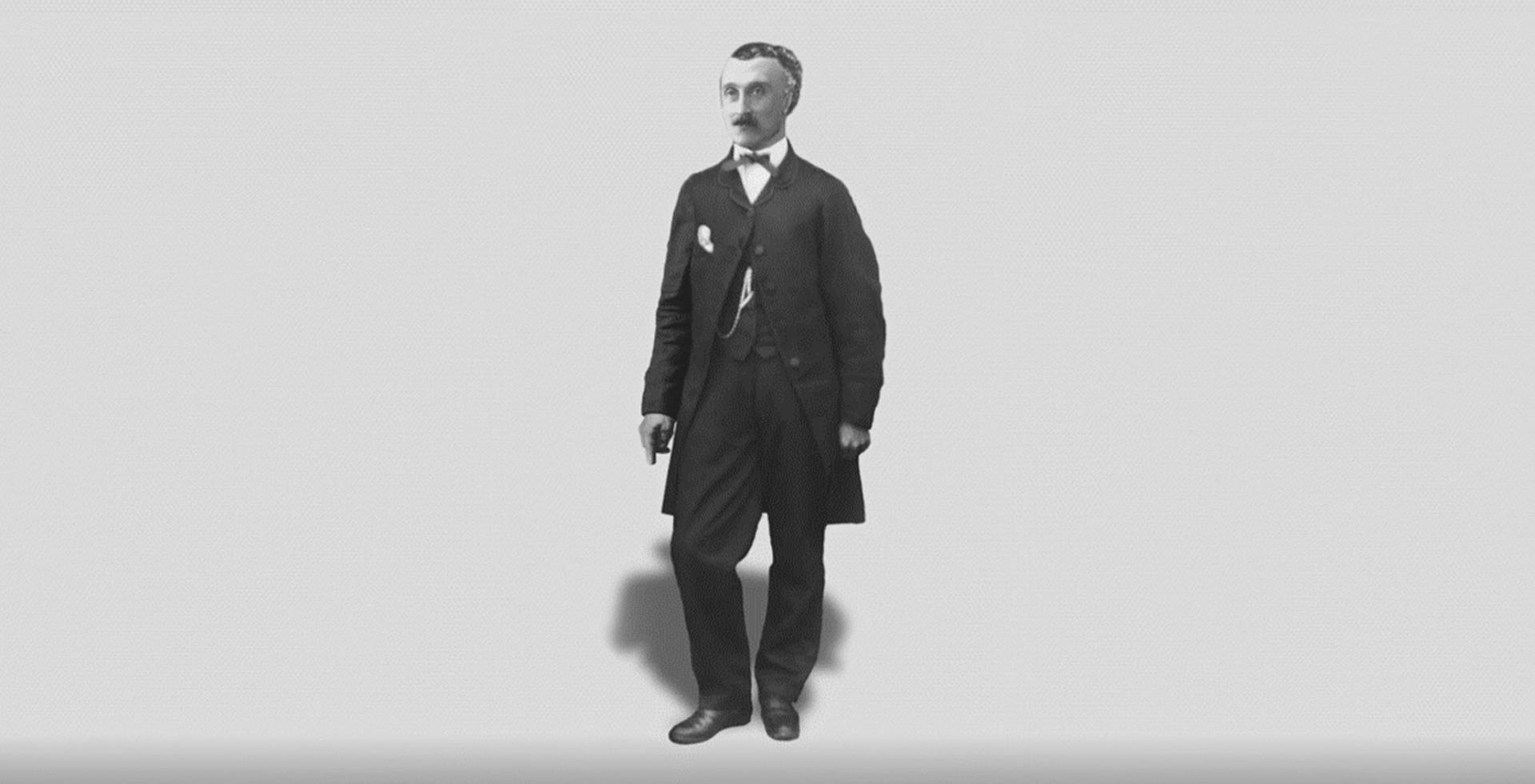
Without William – a humble barber who rose to the Royal Court, and trimmed the Shah of Persia’s beard – there would be no Penhaligon’s. But what do we know of the man, the myth, the marvellous legend who set a thousand noses twitching? Come along, if you will, on a journey beginning in deepest darkest Cornwall, and we shall enlighten you…
THE PERFUMER OF PENZANCE
William H. Penhaligon was born on the 27th of January, 1837, in the ancient parish of Madron, Penzance. A quaint little English village with dramatic views across the Cornish coast – a far cry from the bright lights of London town.
In his early years, around 1852, young William was apprenticed to local barber Humphrey Roberts. A mere decade later, fully-equipped with the skills of the trade, William opened his first grooming salon on Church Street, Penzance.
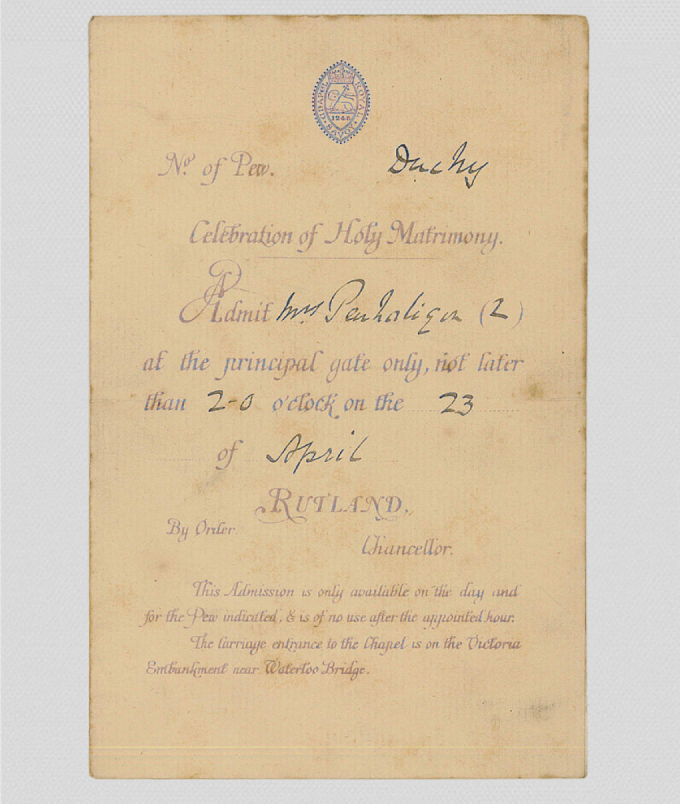
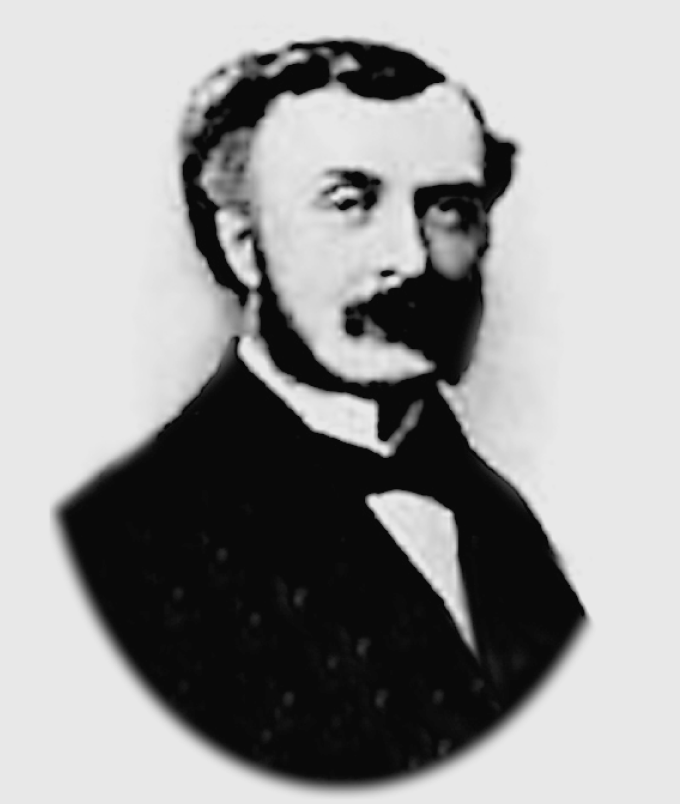
William fell for the lovely Elisabeth Bosence, and the couple were married in 1862. A devout family man was William, who's love and devotion to his family can be read in a handful of poems written for his four surviving children: Clara, Ida, William and Walter. With such a brood, it can be said his expanding family left little opportunity in the way of business, but William never wavered in his determination to do right by his family. Later, his youngest son would take his Father's flourishing perfumery and transform it into the established fragrance house we know and love today.
MAYFAIR'S ORIGINAL INFLUENCER
Soon, the big city beckoned. William and family made the move to London around 1869, settling in with a relative – Henry – on Rochester Row, Westminster.
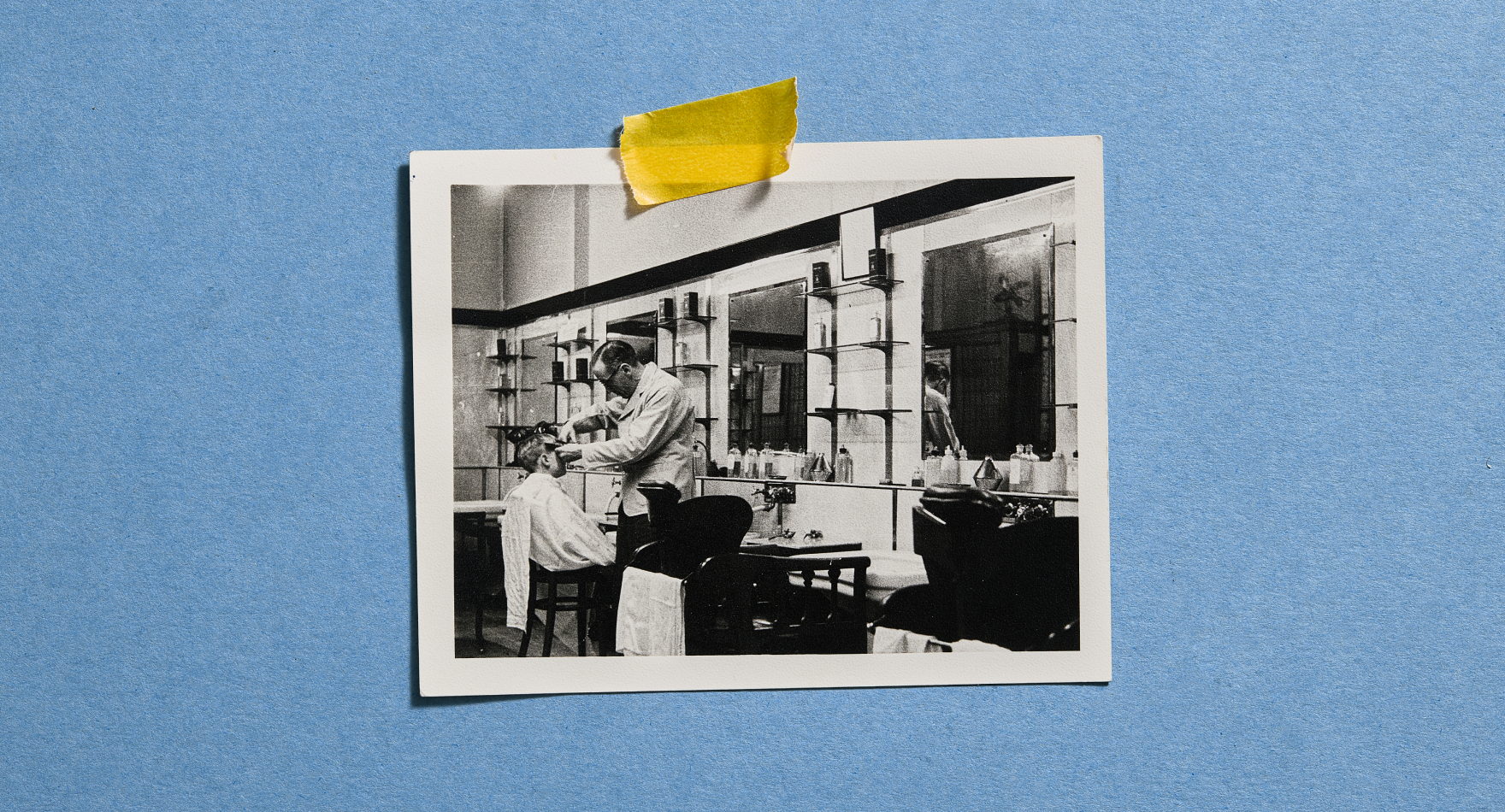
In 1870, William was installed as hairdresser and perfumer at the Turkish Hammam on Jermyn Street, St James’. This bath house was said to be among the finest in Europe, and was a popular setting for Victorian gentlemen seeking both relaxation and grooming.
It wasn’t long before all of Mayfair’s bright young things were clamouring for William’s attention.
Ever the entrepreneur, William expanded the hairdressers into a fully-fledged salon on the ground floor. His tastes were exacting from the off. Over £1,500 was spent on shop fittings – that’s around £200,000 in today’s money!
PASS ME A TOWEL, OLD CHAP
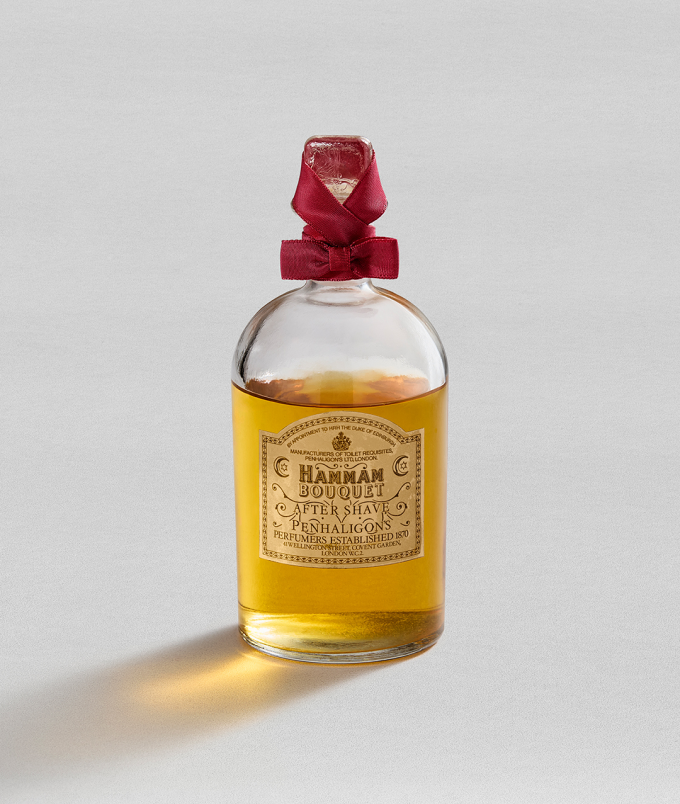
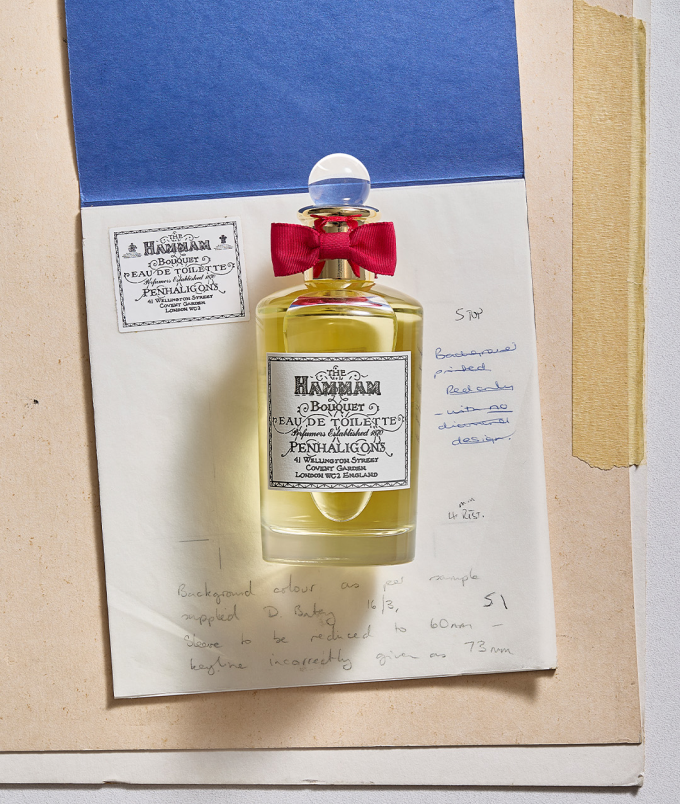
William created his first fragrance, Hammam Bouquet, in 1872. An exotic affair, inspired by the steamy, lavender-spiked atmosphere of the Turkish Baths. In 1880, William went into business with Mr Jeavons, the foreman of the hairdressers, and Penhaligon & Jeavons was born.
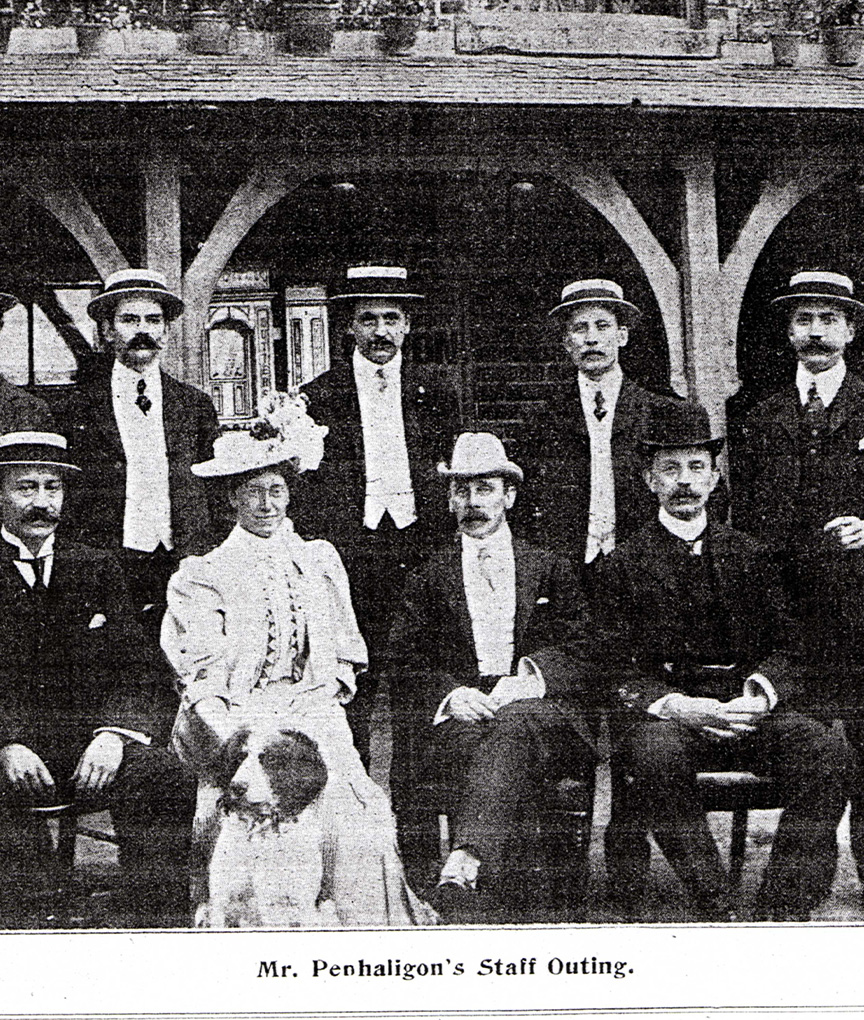
By 1881, four assistants were employed at the hairdressers in the hammam. The company even had its own athletics club! William’s team were an exceedingly loyal set – one chap, George Parry, worked for Penhaligon’s for 78 years.
William’s son, Walter, joined the family business in 1887.
SETTING SOCIETY TONGUES WAGGING
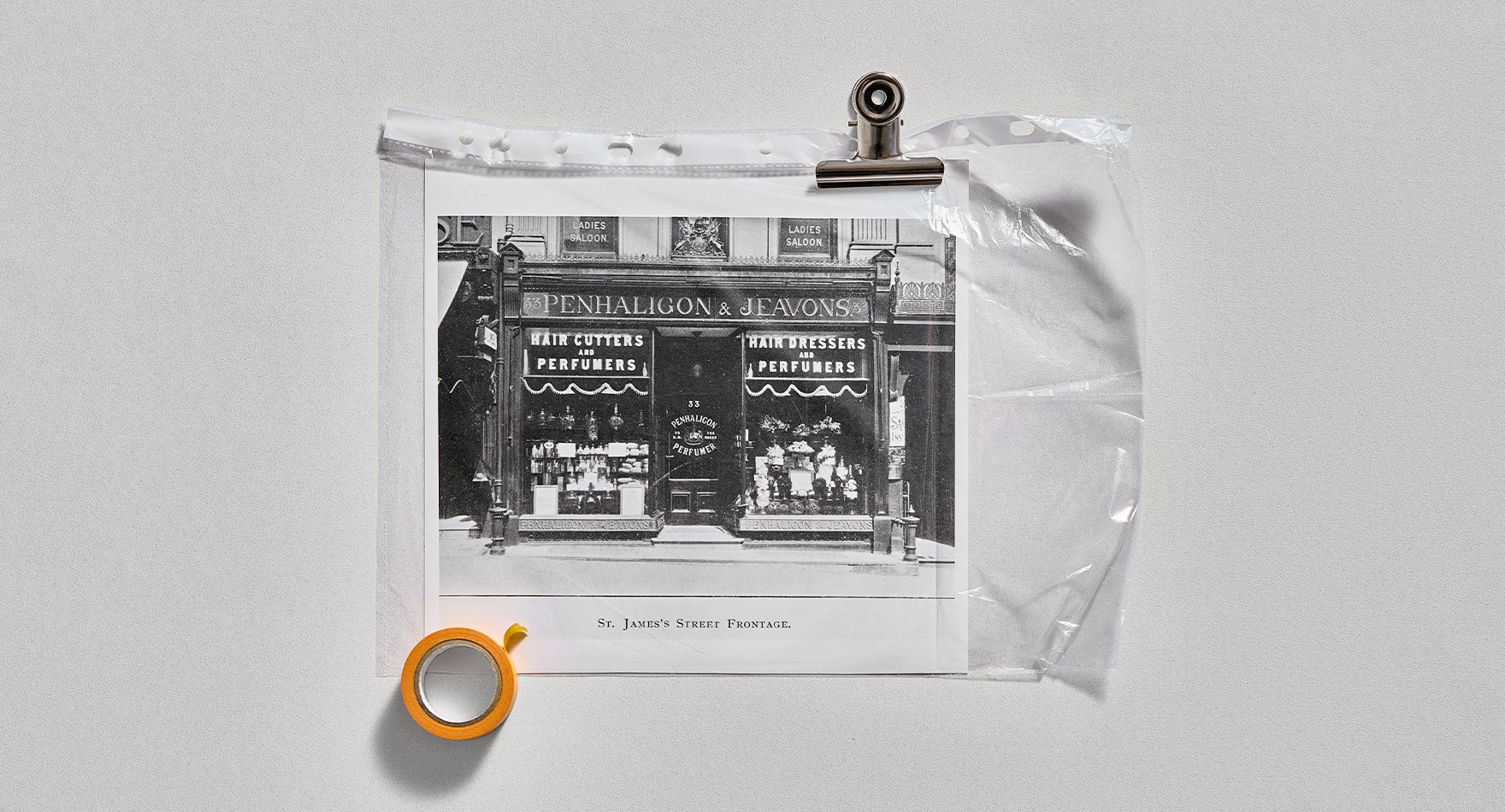
By 1891, William was moving up in the world. Or around the corner, as it were, to prestigious new premises at 33 St James’s Street and 66 Jermyn Street. Both stores connected at the rear, and even featured electric lighting – quite unheard of in London at the time.
Where better to announce the move but in Webster's Royal Red Book? Anyone who was anyone was sure to see the advertisement.
A review from The Royal Warrant Association around this time describes the salubrious surrounds of the ‘fashionable hairdresser’s workshop’ as ‘adequate to all everyday demands’. The ladies’ department upstairs was deemed ‘daintily equipped to meet the needs of the most fastidious’.
A CHARMING OLD GENT
William soon gained a reputation not only for his superior grooming services, but for his wit and intellect.
In 1881, The Right Honourable William Forster, Chief Secretary for Ireland, paid Penhaligon’s a visit. “It is very hot in here this morning,” he remarked. “It is,” replied the ever-ready Penhaligon. “But you will find it much hotter in the House of Commons this afternoon.”
William was visited by many distinguished clients, including the Shah of Persia in 1889 – an event that drew quite the crowd. The Birmingham Daily Post describes the Shah’s visit to Penhaligon’s ‘fragrant shop’ where he was douched with Hammam Bouquet, ‘a shower which lay like the morning dew on his royal bristles and moustache’. Royally good service indeed.
FAREWELL, FINE FELLOW
William passed away in 1902. In spite of his ‘retiring habits’, William’s obituary declares him to have been ‘actively involved with one of London’s most important hairdressing salons’ with a great forte in ‘the manufacture of perfumes and hair washes which are now worldwide renowned’. Indeed, by then, Penhaligon & Jeavons were suppliers of perfume to practically every European court.
As a mark of respect for the departed founder, the shops on St James’s Street and Jermyn Street closed for the day.
Mr Jeavons passed away just three weeks after William, and William’s son Walter took over the company, which was henceforth known simply as Penhaligon’s.
AN ILLUSTRIOUS LEGACY
Sadly, William didn’t live to see Penhaligon’s awarded its first Royal Warrant in 1903 by Queen Alexandra, a ‘devotee of natural products which was Penhaligon’s trademark’. This was the highest order of praise in English society. With Walter at the helm, Penhaligon’s quickly rose to fame as one of London’s most prestigious establishments.
We think William would be rather pleased with how things have turned out.


