
IN PRAISE OF CLUTTER
FROM MISS HAVISHAM'S COBWEBBED ROOMS TO CHARLESTON FARMHOUSE'S PAINTED FURNITURE, CHAOS HAS LONG BEEN THE MOST HONEST EXPRESSION OF A LIFE WELL-LIVED.

نشر قبل 60 أيام
12 دقيقة قراءة
As minimalism seduced us into believing less is more, clutter resisted. From Miss Havisham's cobwebbed rooms to Charleston Farmhouse's painted furniture, chaos has long been the most honest expression of a life well-lived.
Minimalism has spread like a wave across our homes. Marie Kondo’s serene veneer rid us of all that did not “spark-joy”. Object-attachment was put in the bin, but not all of us took to our newly empty surfaces so easily. Certain corners are familiar; chairs of doom piled high with half-clean clothes, old magazines in teetering piles and drawers of wires that end up tangled like a nest of asps. In the process of trying to hide what we couldn’t quite let go of, sentiment has seeped out of the cracks. What we are left with is clutter. This is not curated maximalism, but instead comprises a chaos of objects that emerges coincidentally. Referring both to the general residue of everyday life and the beloved stuff that is found, inherited or bought purely for the joy of it, there is something about clutter that feels particularly British.
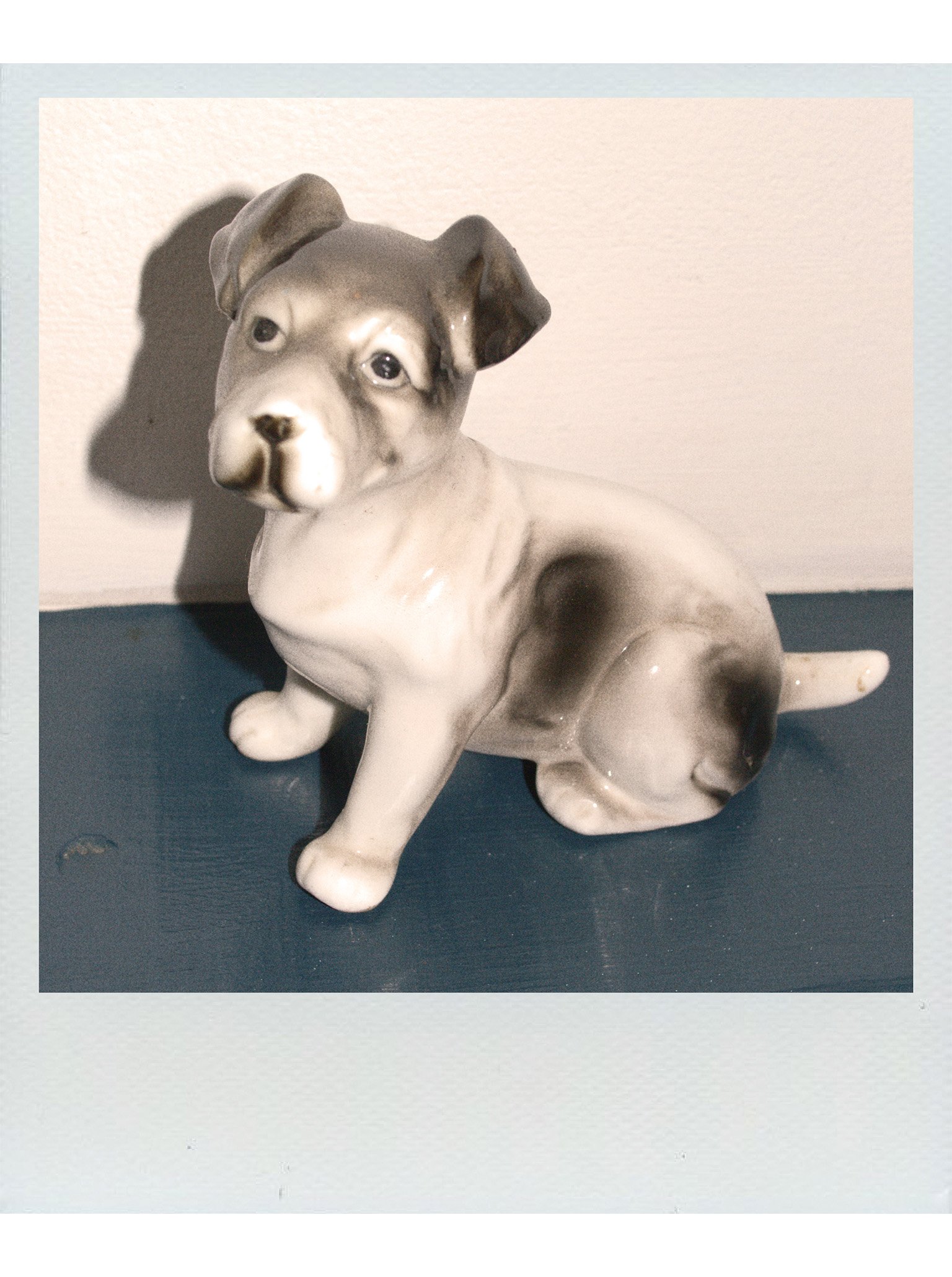
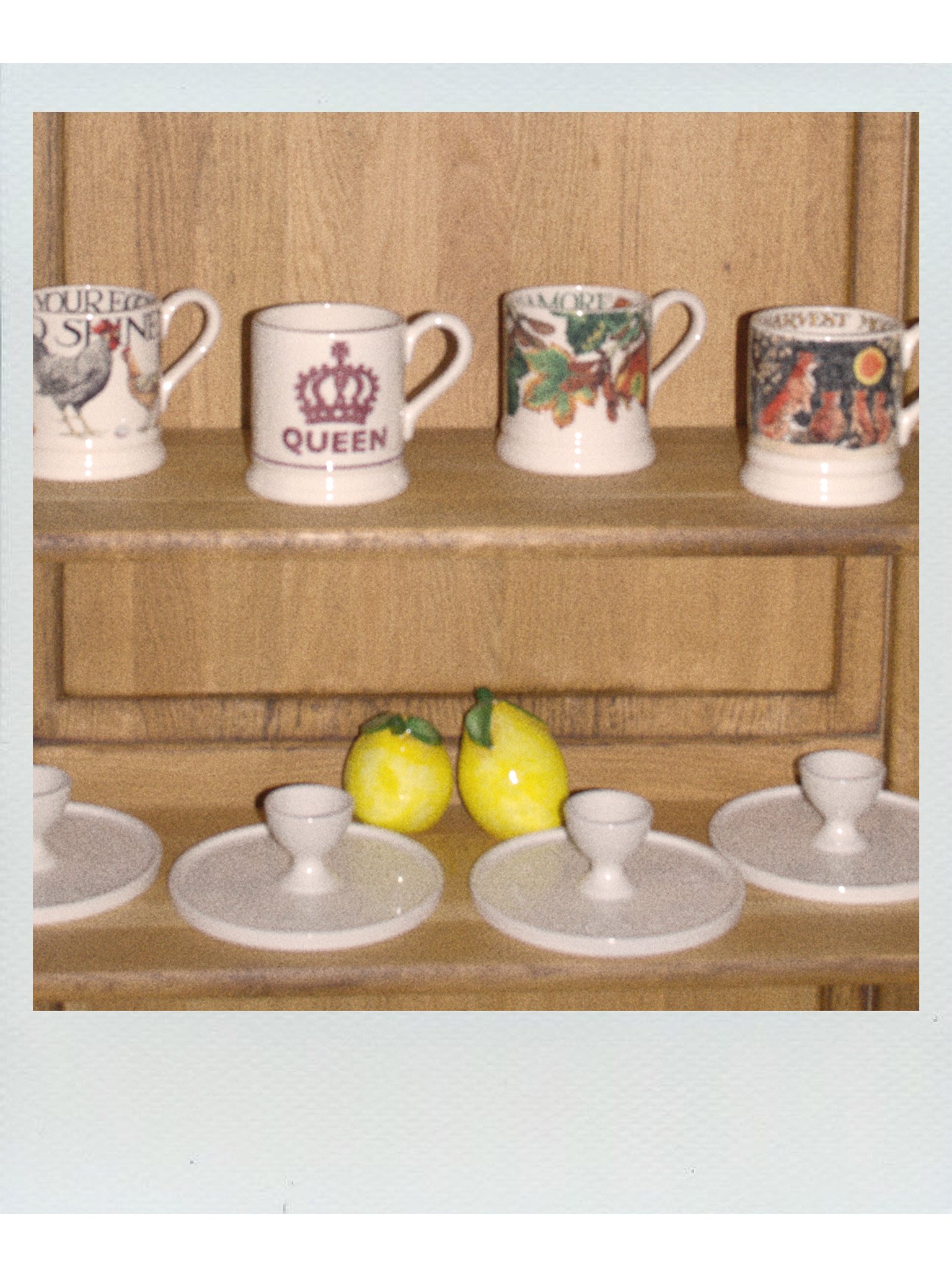
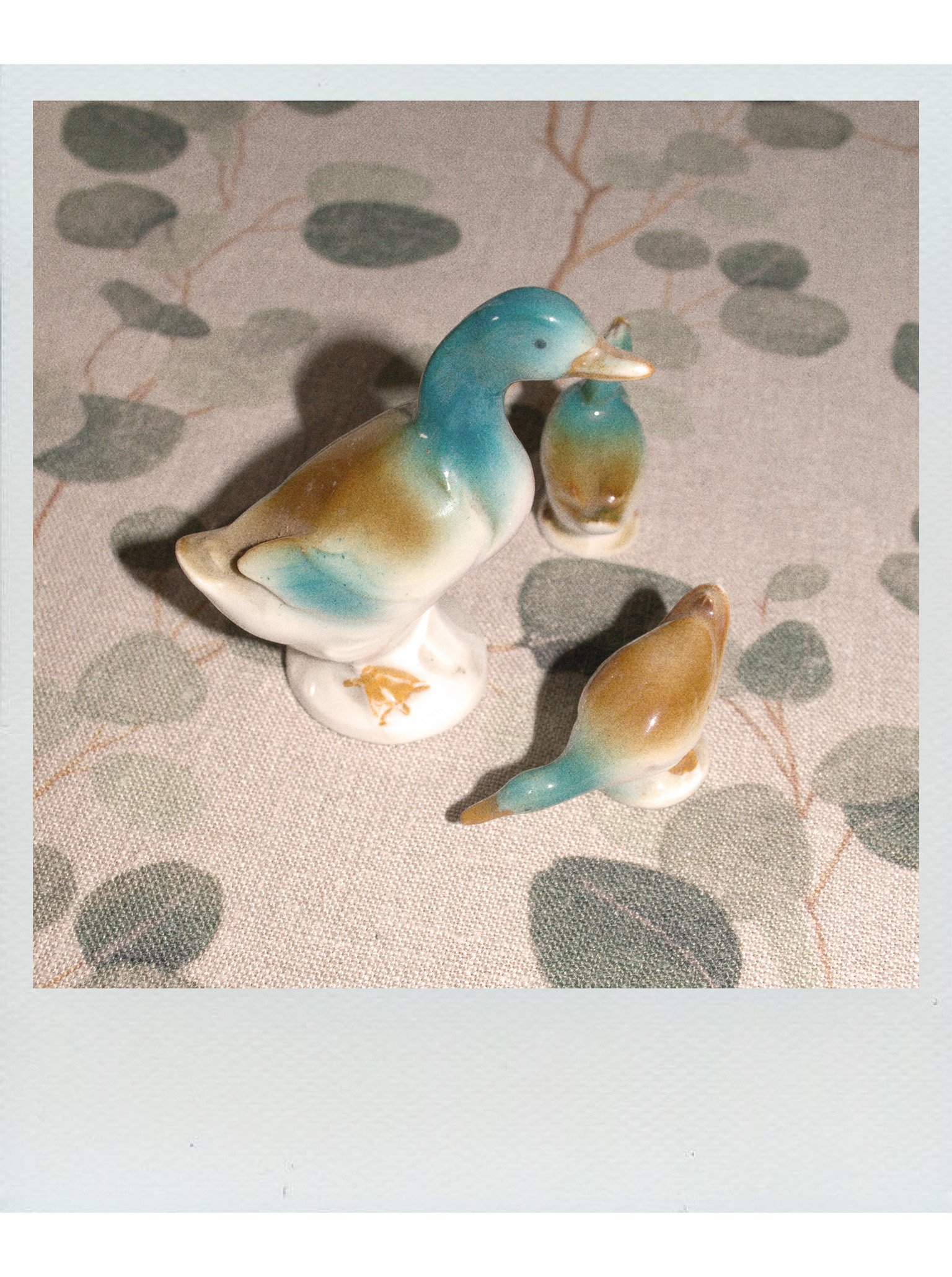
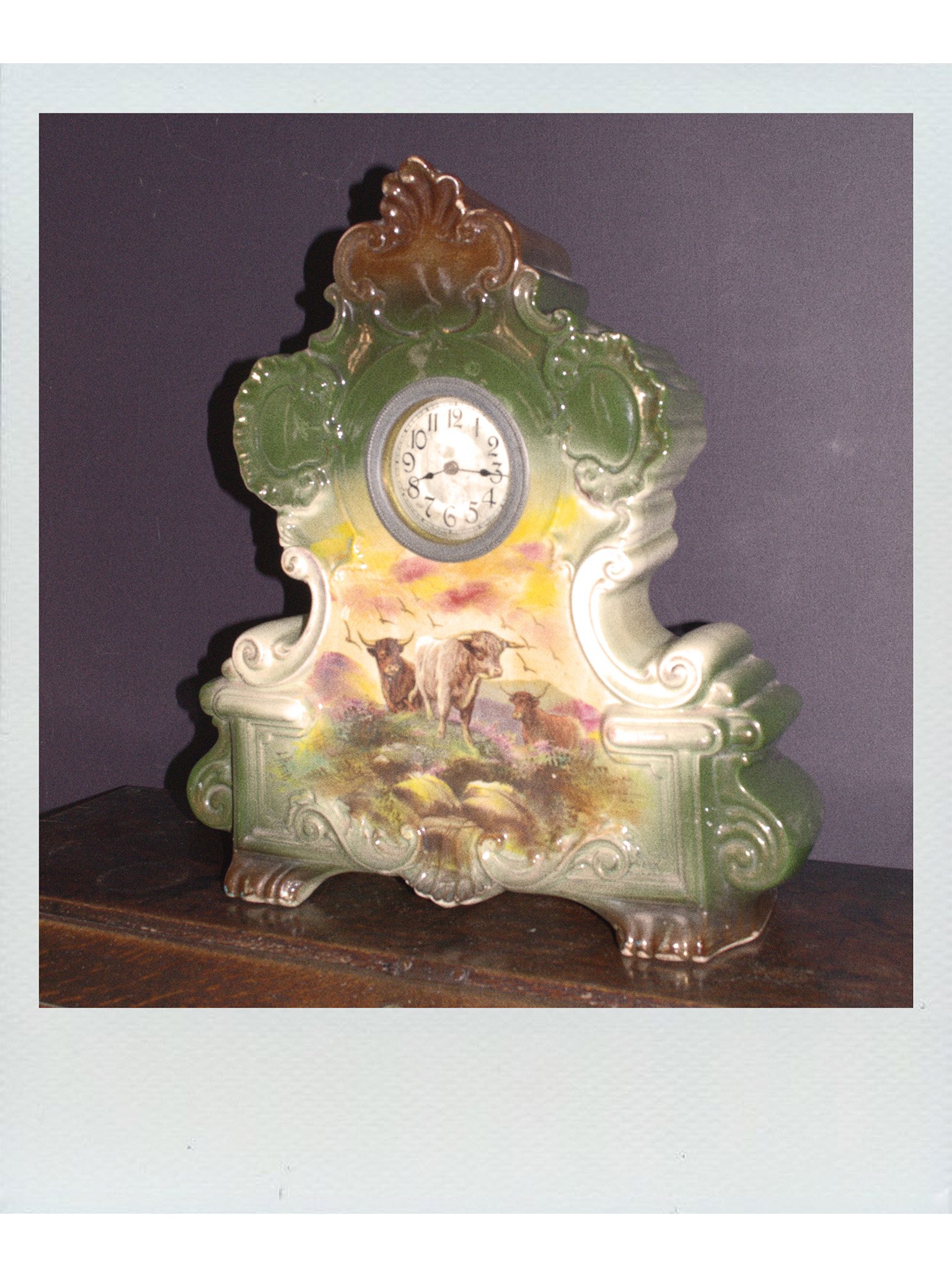
Living amid clutter is nostalgic: it is holding onto the things you inherit from past lovers and relatives long gone and leaving room for collecting more along the way. Clutter gives you the potential for a tender surprise or a teary moment every time you wrench open a drawer. It is entrenched in British storytelling - think of Miss Havisham, who does not hoard because she likes the way it looks, but because all that she owns is weighted with emotion. To live among clutter is to admit that things matter and people leave traces. Some of us are simply not willing to pretend otherwise.
Charleston Farmhouse, an icon of British design with its bohemian interiors and garden beds overgrown with wildflowers, is having a moment. The Bloomsbury Group lived and created together here in harmonious disarray - trinkets stacked on every surface, patterns clashing on the wall, spontaneous decorations painted on the furniture. For them, chaos and its counterpart, clutter, were never as much by design as part of a natural order.
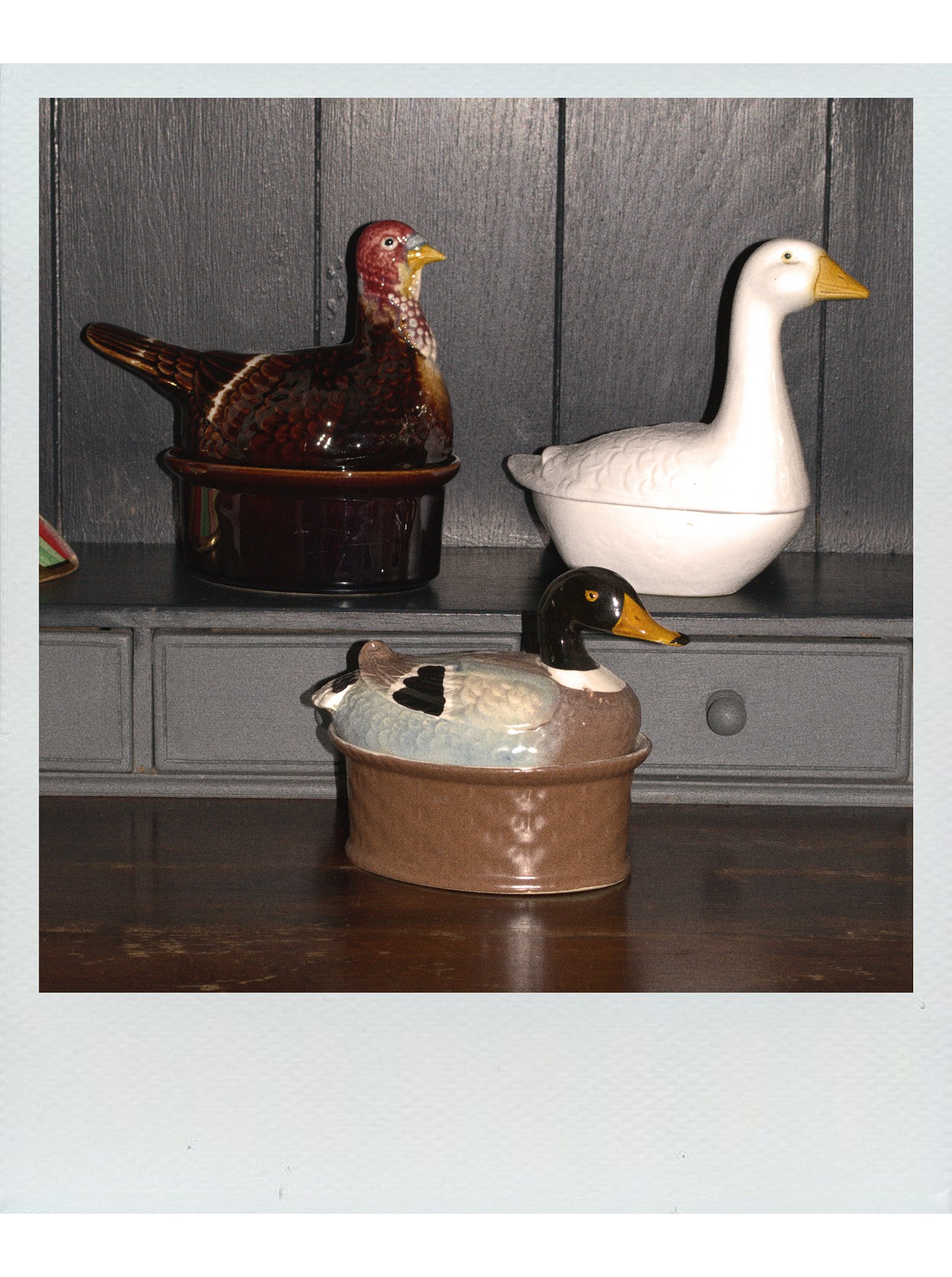
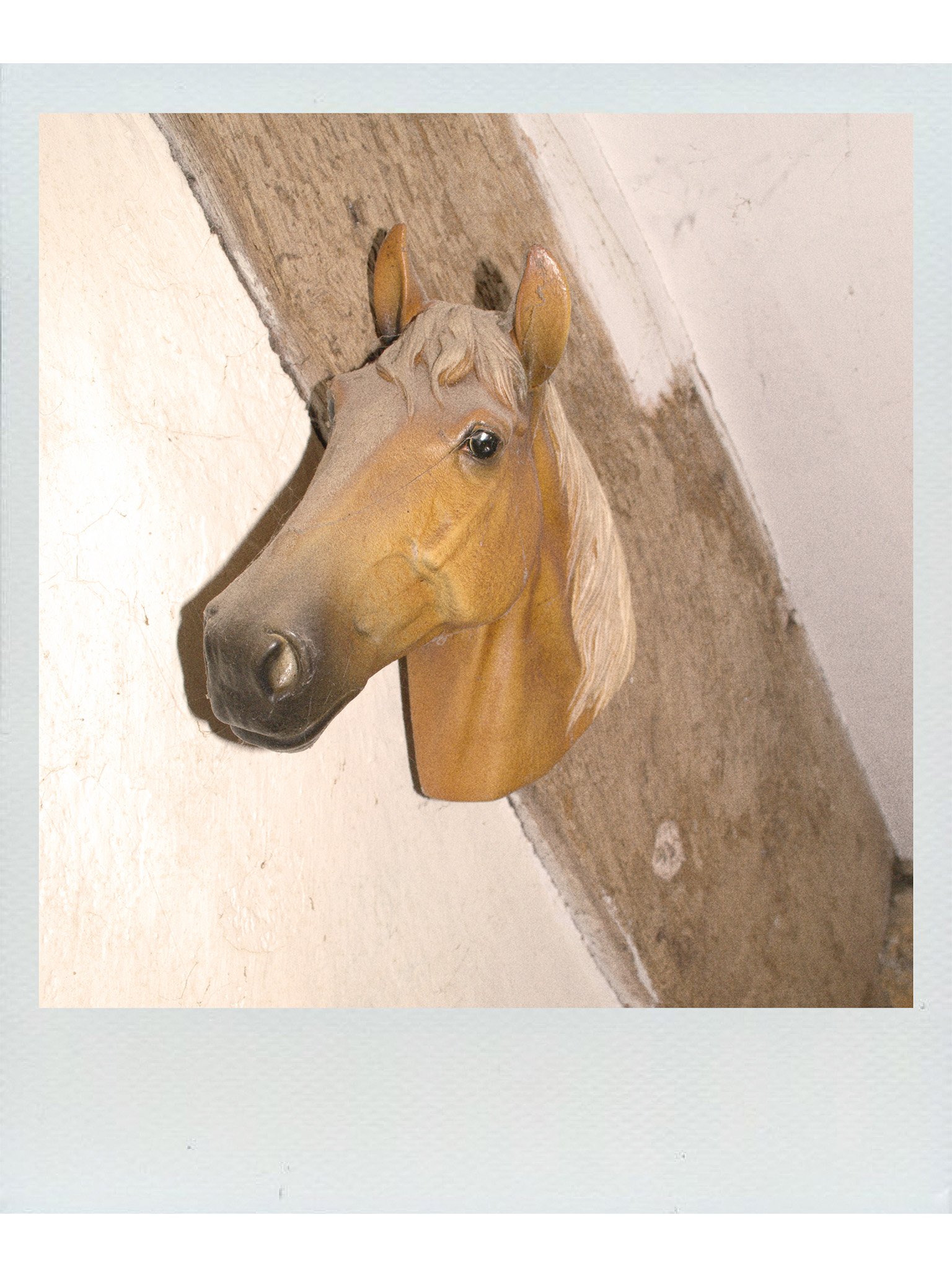
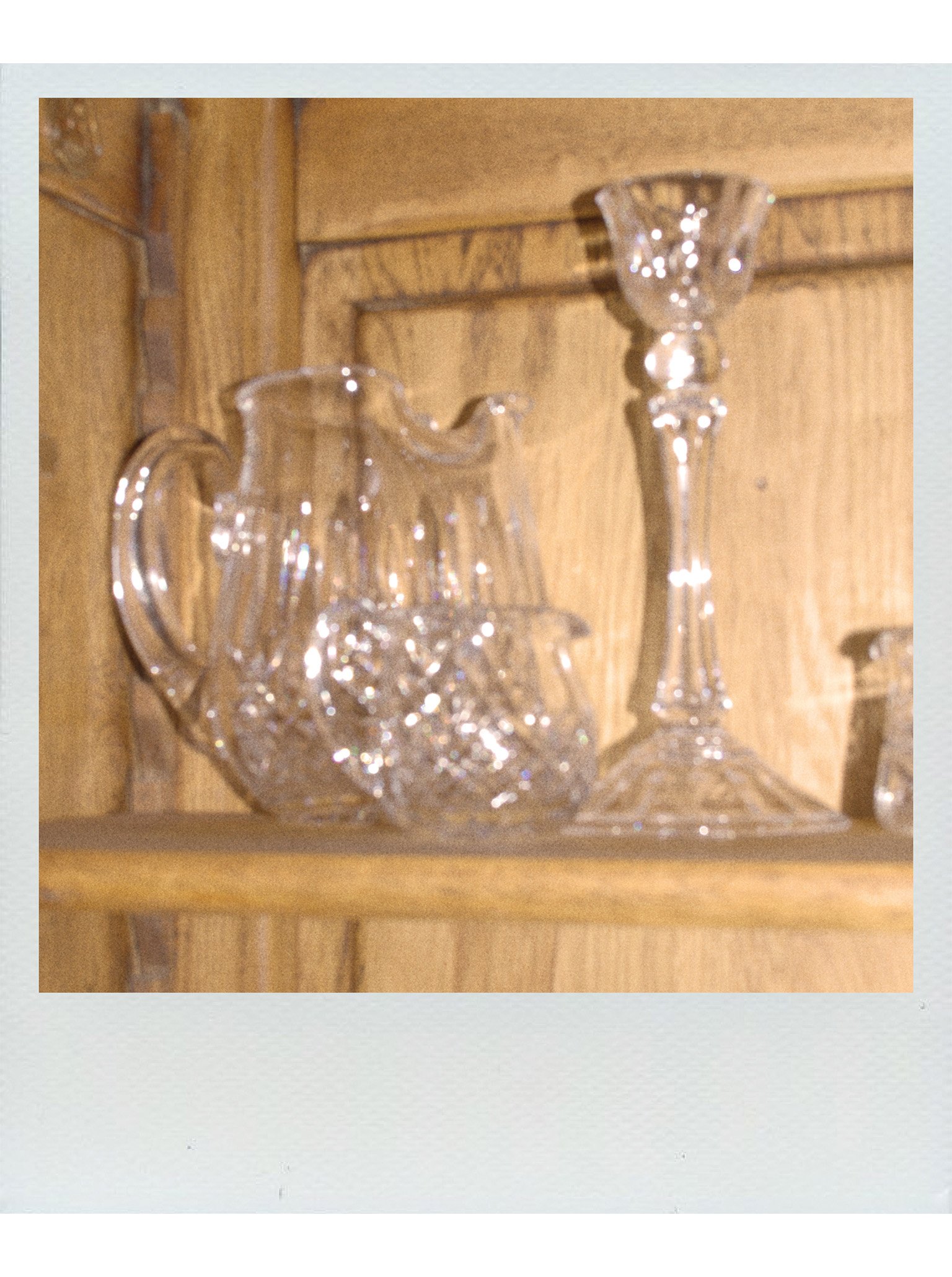
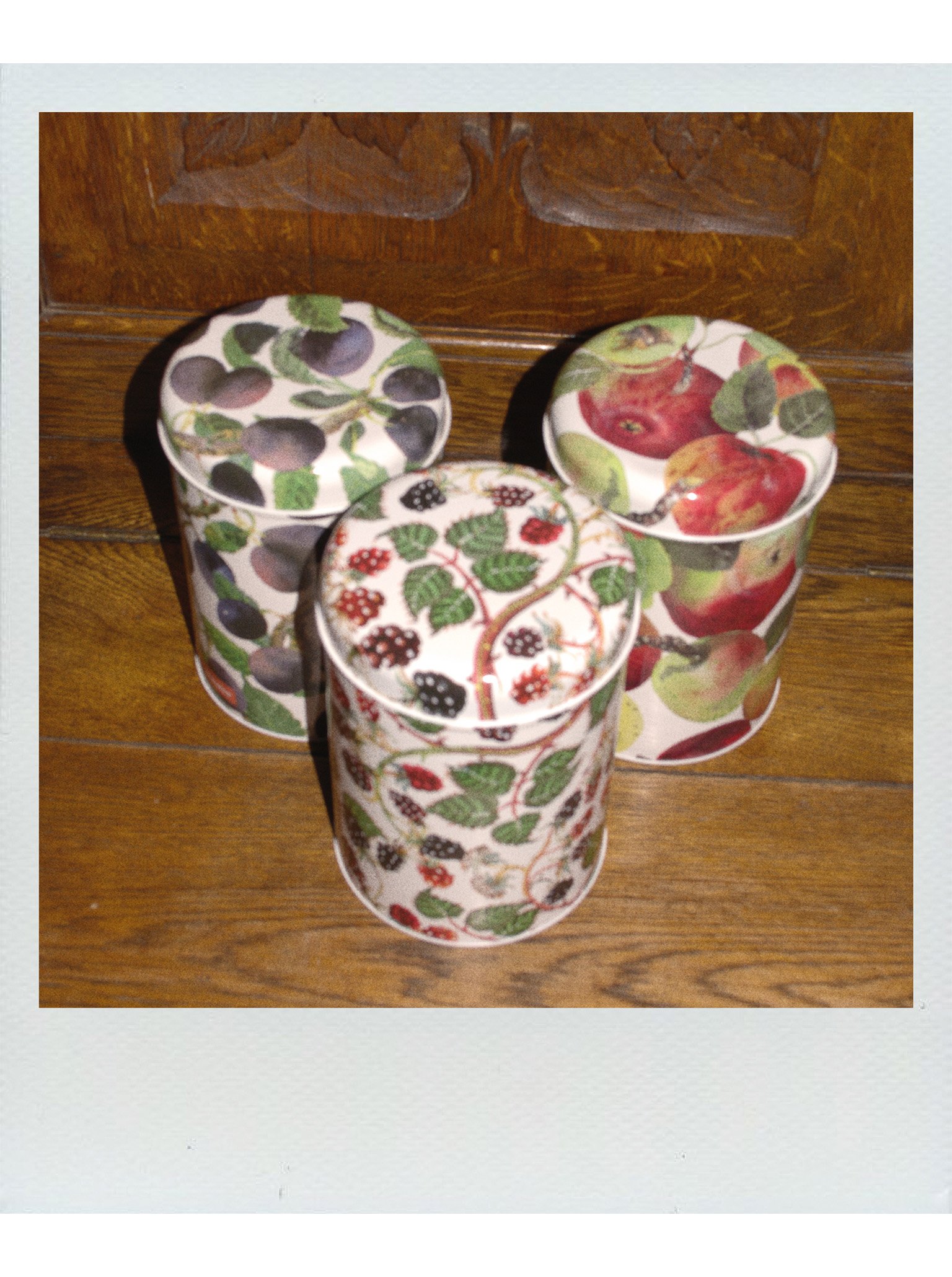
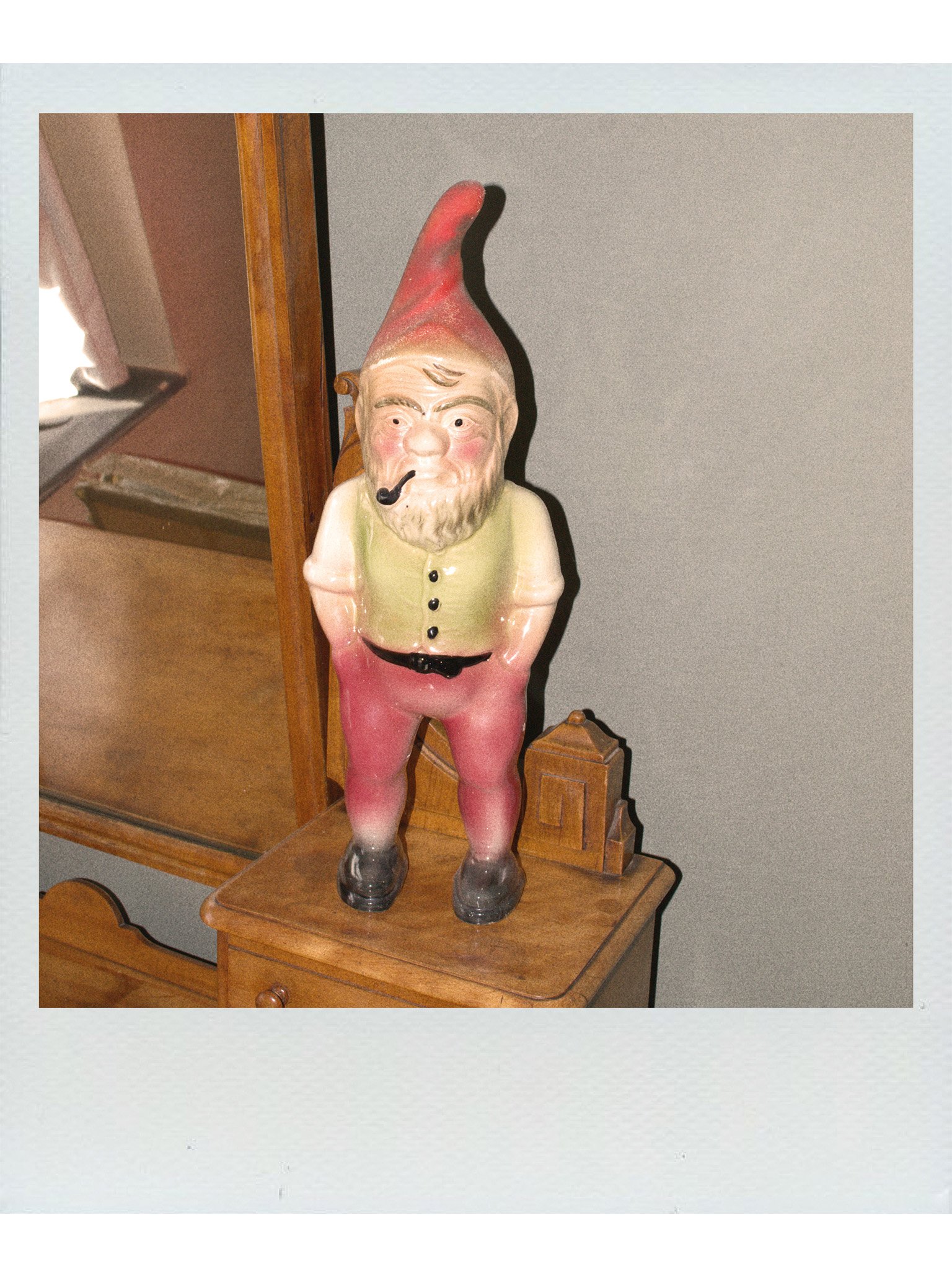
Despite the bohemian romance we associate with maximalist chaos, the recent media obsession with ‘tackling’ clutter did not originate with Marie Kondo. In 2003, How Clean is Your House? hit our screens. Wearing hot pink rubber gloves with garish pink marabou trim, Kim Woodburn and Aggie McKenzie made deep cleaning camp. Objects stored in teetering piles were met with mirth and a horror film soundtrack; lives were transformed and souls saved, in baptisms of bleach. Now Stacey Solomon’s Sort Your Life Out offers an altogether less sensational exploration of homes overwhelmed with mess. The show offers families a “life-changing declutter” in which every single removable object is taken from the home, decontextualised, and laid out in assorted piles; families often moved to tears by the sheer volume of accumulated stuff. A gentle guide, Stacey advises the families through what to keep and what to lose. For a process so personal and mundane, it makes for compelling watching.
So when clutter becomes too much, when the weight of memory grows too heavy, when dust dances and the smell of the old hits you like smoke, you can always engage in the ancient rite of the spring clean. Commitment to clutter is not necessary; clutter is only passively, not obsessively, retained. If the fancy takes you: throw open the curtains, beat the rugs, light a scented candle, make way for new life, new things and new cycles.
/Pen-2026-Gifting-Candle-3x4-2-.jpg)


/2026-Notes-On-House-D2C-Blog-Thumbnail-1336x1924px-03-1-.jpg)