
AN OLFACTIVE INTRODUCTION TO... FRAGRANCE TYPES

نشر قبل 625 أيام
10 دقيقة قراءة
Roll up! Roll up! Come explore the world of perfume with Penhaligon’s. There’s many a-thing to know when it comes to perfume, especially if you’re sniffing out a signature scent. Because what smells fabulous on a blotter in-store can wind up rather different after a few hours on the skin.
Shall we begin? Take our white-gloved hand – and hold onto one’s hat.
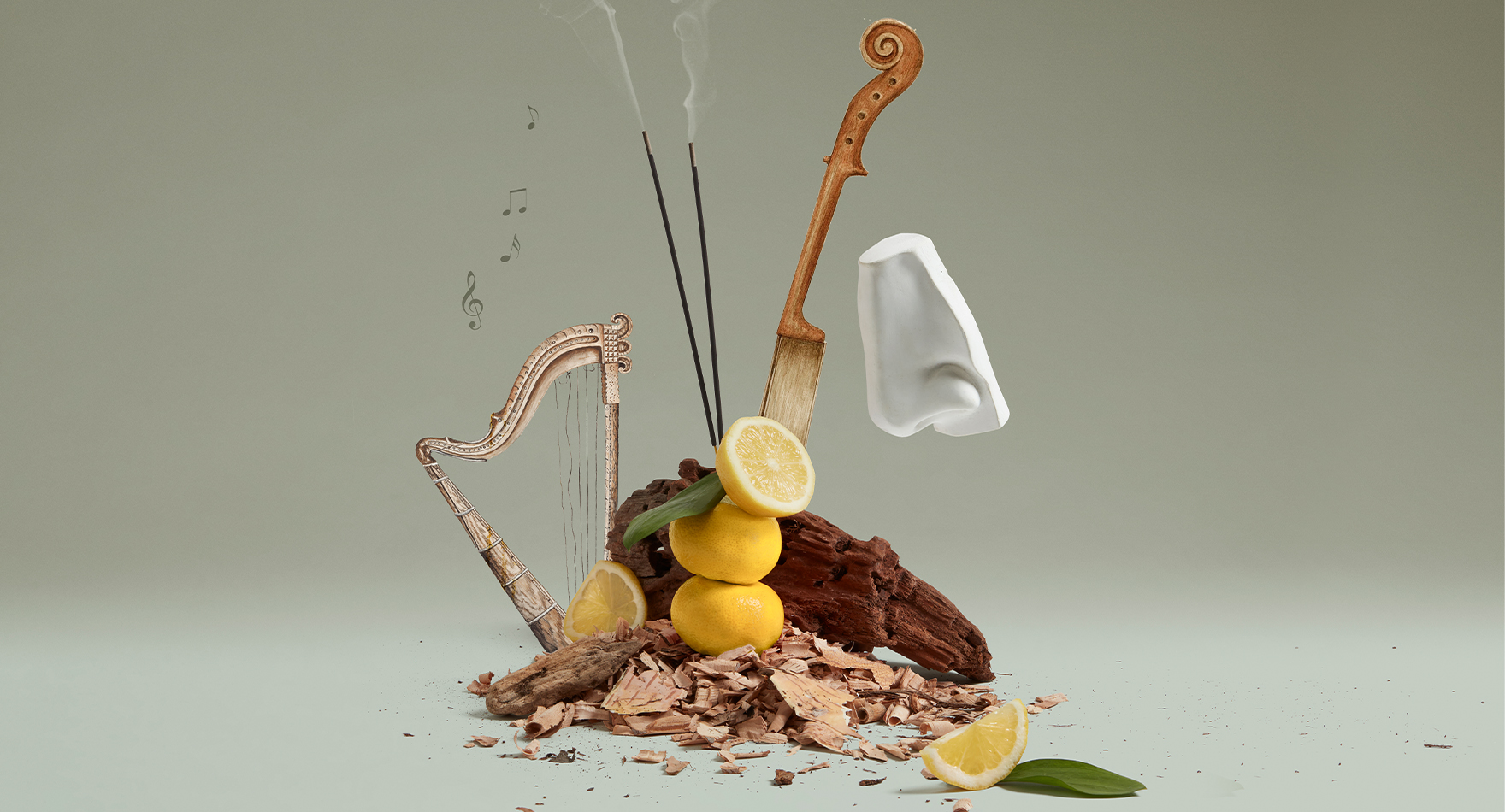
HOW TO DECIPHER A FRAGRANCE DESCRIPTION
Perfume is described as a mirthful musical metaphor – three sets of “notes” that make up a harmonious “accord”. And because one artful metaphor is never enough, these notes are often presented as a “fragrance pyramid” to show how one’s nose follows the evaporation process of a perfume from top to bottom.
HEAD NOTES
- What one smells first, forming an immediate impression
- Around 20% of a perfume
- Longevity: a few minutes
HEART NOTES
- Deeper scents that appear after the head notes
- Around 30% of a perfume
- Longevity: two to four hours
BASE NOTES
- The final stage of a fragrance
- Around 50% of a perfume
- Longevity: four to six hours (or even longer)
THE DIFFERENCE BETWEEN ALL THE "EAU DE"...
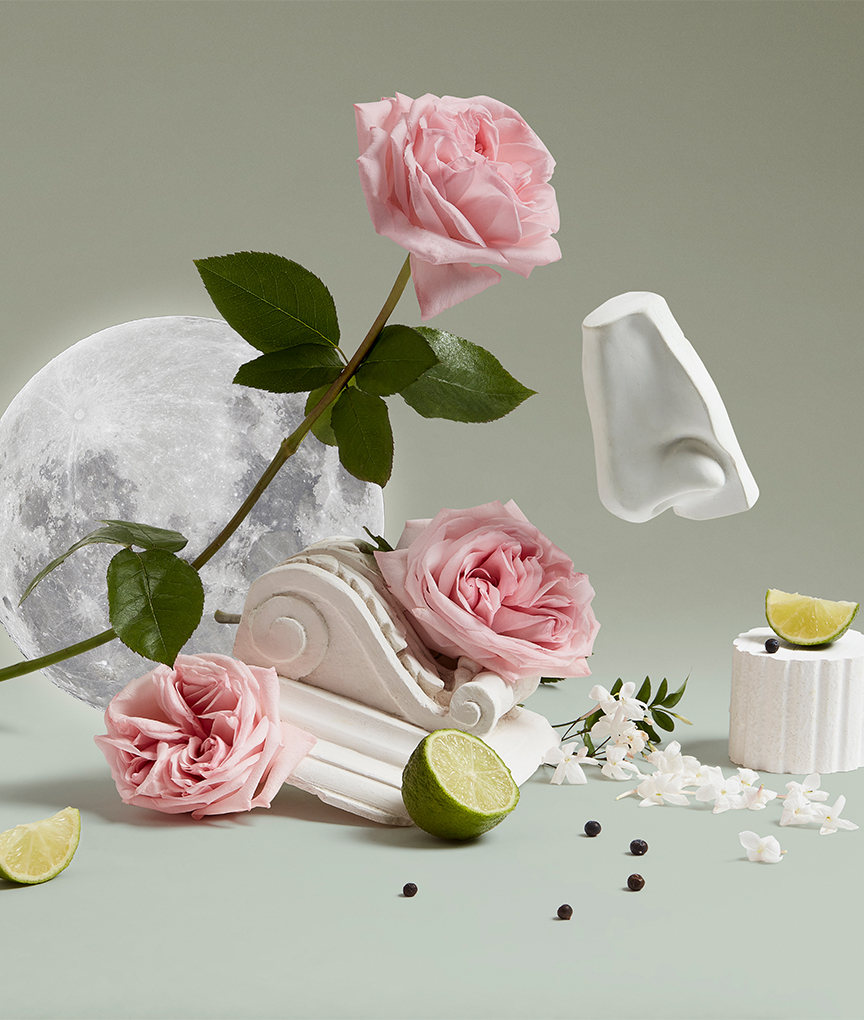
There are three main fragrance types: Eau de Parfum, Eau de Toilette and Eau de Cologne. The difference between these delectable versions lies in the concentration of perfume oils. And it is this concentration that dictates which fragrance lasts longer.
EAU DE PARFUM
- The most concentrated fragrance
- Lasts approximately four to five hours
- For special moments and high impact
Why not try Highgrove Bouquet? Long-lasting earthly sunshine in a bottle.
SHOP EAU DE PARFUM

current price 930 AED 100 مل
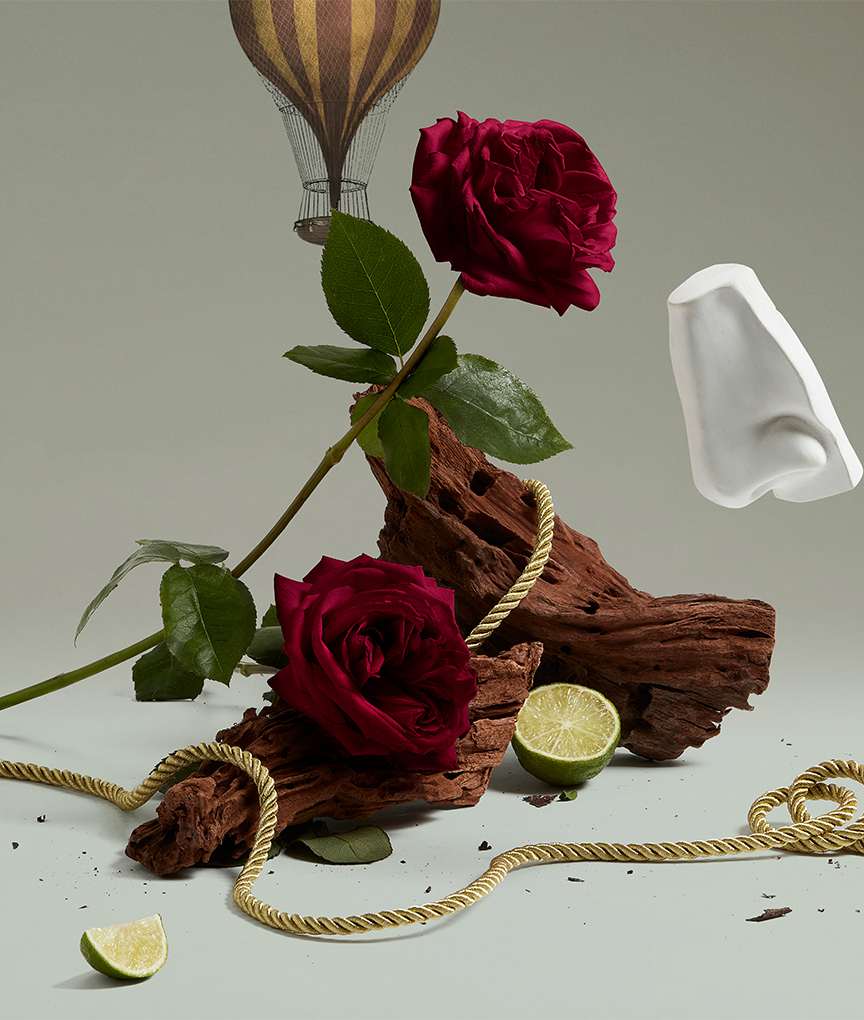
EAU DE TOILETTE
- Lighter than Eau de Parfum
- Lasts around two to four hours
- A suitable everyday staple-
- Look to Luna for a goddess-approved example
SHOP EAU DE TOILETTE
/Olfactive-Introduction-to-Fragrance-TypesSeconday-02-1-.jpg)
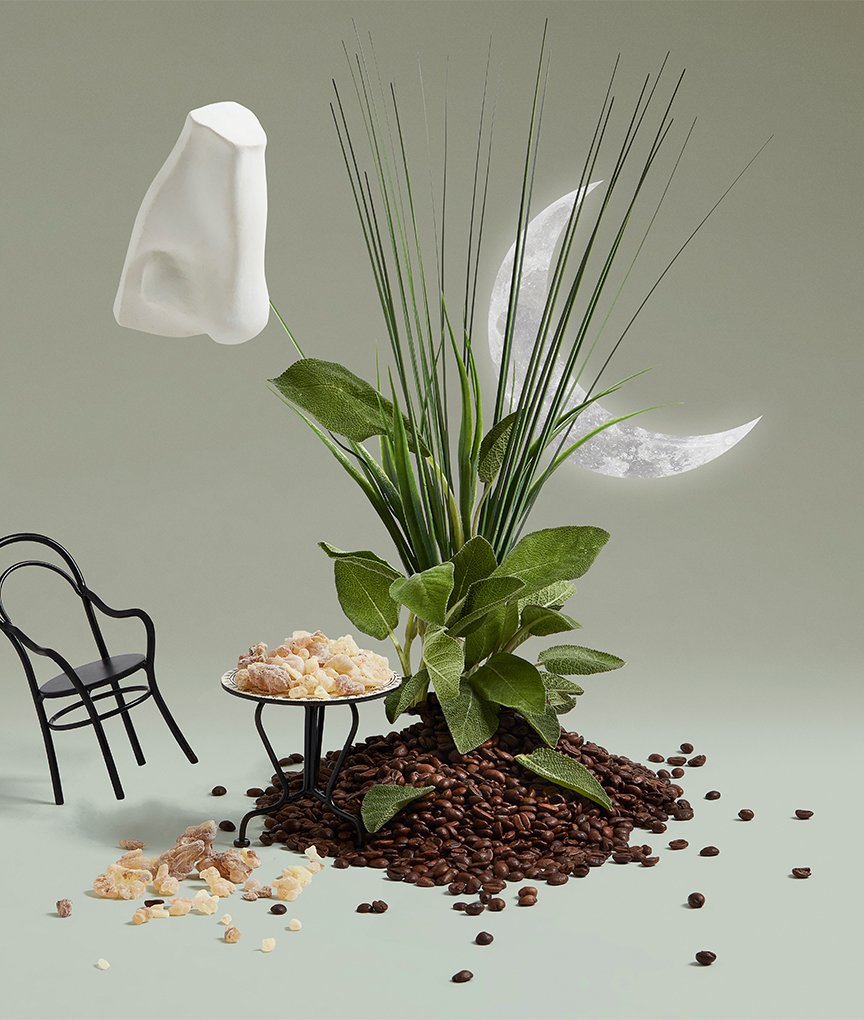
EAU DE COLOGNE
- Lightest of the three
- Lasts around two hours
- Exceptional for daytime wear
SHOP EAU DE COLOGNE
THE ETYMOLOGY OF ‘FRAGRANCE’
Alas, discerning the real meaning of “parfum” and “cologne” can lead to some confusion.
PARFUM
French, of course, for perfume. Brought into common parlance in 1533, when Catherine de Medici arrived at the French court with her perfumer in tow. Parfum is the overarching term for fragrance, regardless of concentration, although traditionally it was used to denote a fragrance for ladies.
COLOGNE
First used in Europe in the 18th century to refer to fresh, citrus-based unisex fragrances developed in Cologne, Germany – hence the name. In the first half of the 20th century, perfume houses began to borrow “cologne” to signify a lighter concentration to Eau de Parfum and Eau de Toilette. It also became the sole preserve of scents marketed for men.
FEMININE AND MASCULINE FRAGRANCE
Nowadays, gender distinctions matter little. Everyone is free to use Eau de Parfum, Eau de Toilette and Eau de Cologne only in reference to concentration. Fragrance is such an individual choice, it would be a shame to pigeonhole anyone.

THE LAST WORD
When it comes to a signature scent, take the knowledge above and choose what simply feels – and smells – right to you. Try our Fragrance Profiling Experience to discover your new signature scent.
/2026-London-By-Penhaligons-Blog-Thumbnail-1336x1924px-Jermyn-St-1-.jpg)
/2026-London-By-Penhaligons-Blog-Thumbnail-1336x1924px-Soho-1-.jpg)
/2026-London-By-Penhaligons-Blog-Thumbnail-1336x1924px-Richmond-1-.jpg)